

Hello, and welcome to the inaugural post for Energy Dissent, a dedicated section of Built and Human where we step back from day-to-day political theater to examine the master resource shaping our modern crisis.
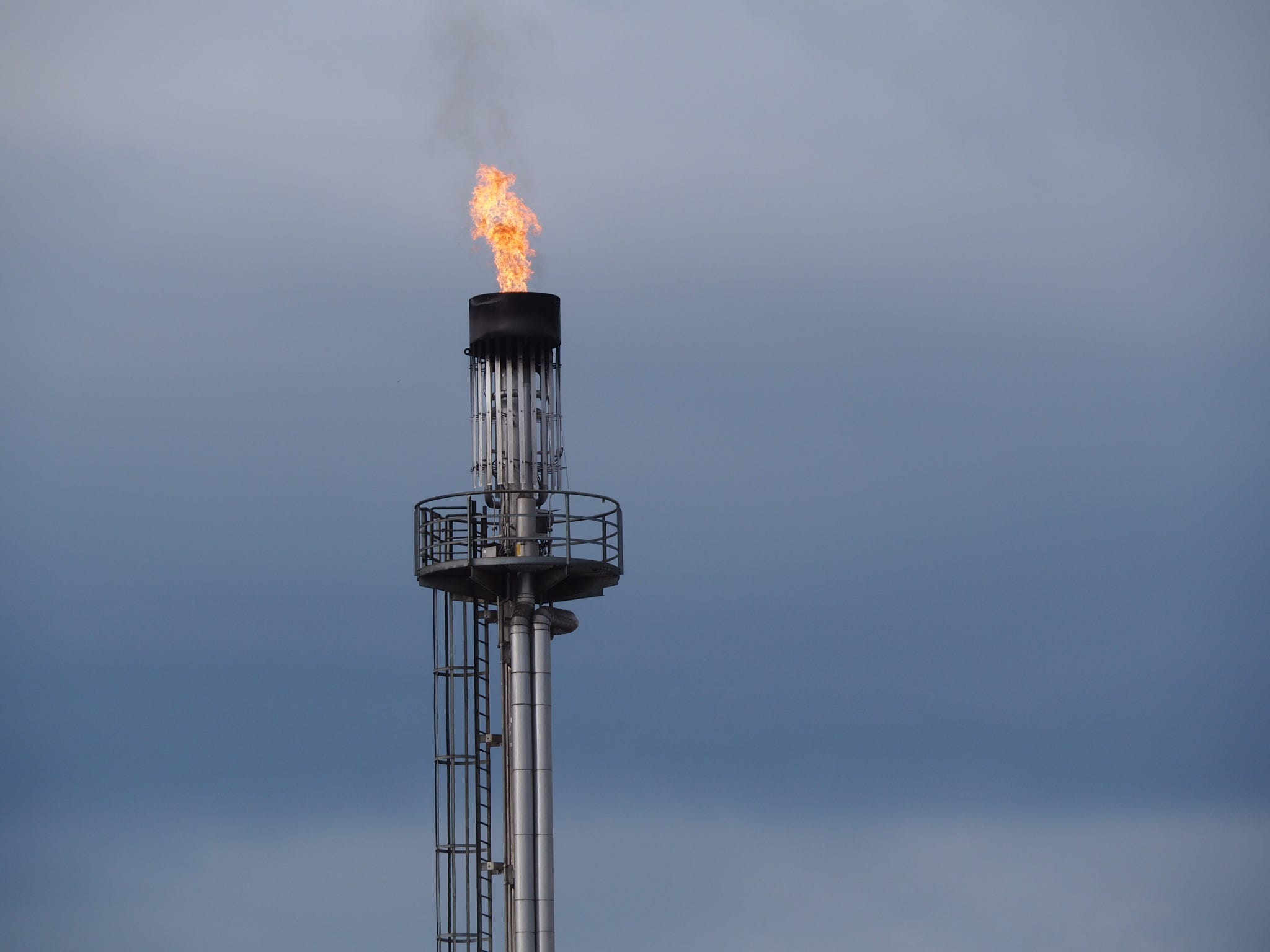
When we look at the chaotic landscape of contemporary politics, we are routinely told that our divisions are cultural, technological, or purely partisan. We are told we are divided by social media algorithms, generational divides, or changing demographics.
But there is a quieter, far more physical reality driving our collective instability.
We are entering the era of global energy constraints. For over a century, easily accessible, high-net-return fossil fuels built the modern world, funded the welfare state, and underpinned our democratic institutions. As that era of cheap energy wanes, the compounding economic stress is filtering down into our social fabrics, fueling an era of global and domestic dissent.
If you want to understand why our politics are breaking, you have to look beyond the ballot box and the culture wars. You have to look at the master resource.
The Short-Term Blind Spot
The fundamental challenge with understanding this crisis is a matter of scale. Human beings are hardwired to process short-term, immediate feedback loops. When we look at the news, we track the metrics that fit neatly into our weekly perspectives:
A sudden spike in the price of a gallon of gasoline.
A localized conflict or drone strike in the Middle East that temporarily disrupts supply chains.
The immediate, frantic bickering of the current election cycle.
Because these events happen on a visible, noisy timescale, we treat them as isolated incidents. We blame a specific politician, a corporate cartel, or a singular foreign adversary.
What we completely miss is the structural, multi-decade macro-shift happening beneath the surface. Over the last twenty years, the foundational energy dynamics of our planet have fundamentally transformed. The era of high-yield, effortless oil is over, and the economic and social tremors of that shift are breaking our politics.
“We cannot understand the future of our cities, our economies, or our societies if we pretend that energy is just a utility bill we pay at the end of the month.”
The Zero-Sum Trap of Resource Constraints
Consider the dramatic, polarizing right-wing turn in American and Western politics over the last two decades. While pundits argue over cultural triggers, a deeper, biophysical narrative is at play.
Modern democracy and the liberal economic order were built on a foundational premise: infinite growth. When you have a massive, compounding energy surplus driven by cheap oil, the economic pie keeps expanding. In an expanding pie, politics can afford to be collaborative, democratic, and relatively open. You do not have to fight your neighbor for a slice because tomorrow’s pie will be bigger.
But when energy inputs plateau and decline, growth stalls. The economic pie stops growing, and society quietly but aggressively shifts into a brutal, zero-sum survival mindset.
When a system becomes zero-sum, political philosophies inevitably harden. Protectionism, intense nationalism, anti-immigration sentiment, and a fierce, defensive tribalism are the predictable, systemic reactions to a contraction of resources. People sense that the cushion is gone. The domestic dissent we are witnessing today isn’t happening in a vacuum; it is the political manifestation of long-term energy constraints filtering down into the collective psyche of the voting public.
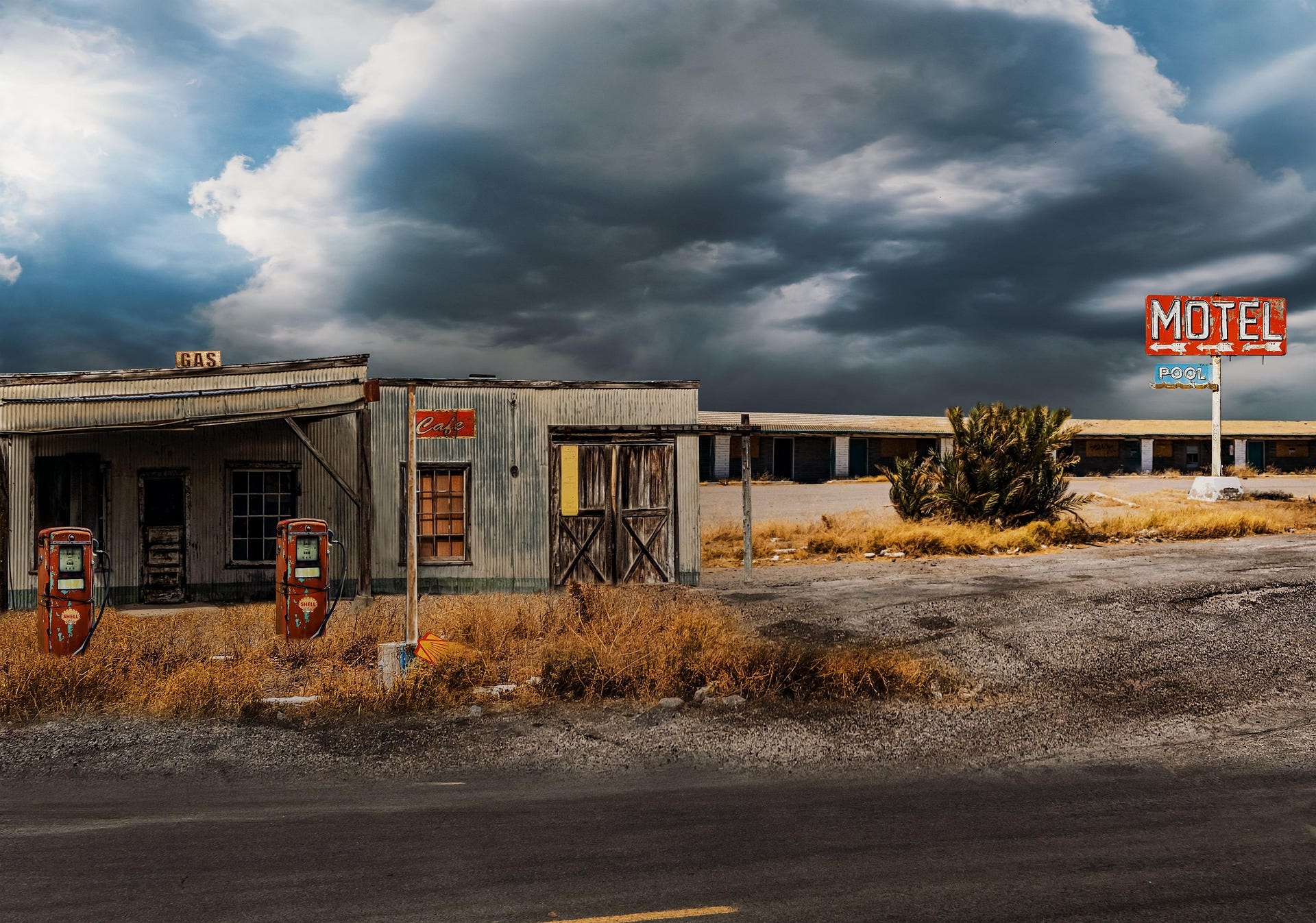
What We Will Explore in “Energy Dissent”
If we are to navigate the coming decades, we have to look past the superficial headlines and start analyzing the actual architecture of this transition. In this section, we will systematically break down three primary pillars of this crisis:
1. The Geopolitical Chessboard
As conventional oil reserves dwindle, nations are forced to secure increasingly expensive, low-yield alternatives (like fracking and deep-water drilling) or fight over what remains. We will look at how declining net energy returns alter international alliances, weaken globalized trade, and fuel resource-driven conflicts that are falsely marketed to us as ideological wars.
2. Domestic Fractures
The economic stress of energy descent is a slow-motion tax on every aspect of daily life. We will analyze how this quiet erosion of purchasing power and standard of living drives political radicalization, erodes trust in public institutions, and makes democratic compromise nearly impossible.
3. The Urban Survival Matrix
Cities are our species’ extended phenotype, but modern Western cities were designed entirely on the assumption of infinite, cheap petroleum. We will explore what happens to hyper-centralized, car-dependent infrastructure, suburban sprawl, and complex municipal supply chains when the fuel that feeds them becomes a luxury.
Calling It What It Is
The effects of peak oil are not a distant, science-fiction scenario. They are here, they are active, and they are the quiet engine driving the chaos of our current political reality.
It is time to stop looking at our political crises in isolation. It is time to connect the physical reality of our planet’s resources to the social reality of our streets.
Thank you for subscribing to Energy Dissent. Let’s get to work.
If you found this introductory post valuable, please consider subscribing, sharing this article with others, or leaving your thoughts in the comments below.